

Insights
2026 Survey:
The Making of Tomorrow




Welcome to Insights: The Making of Tomorrow Issue
Travel decisions are shifting, some in obvious ways and others in small, consistent ways. Our early 2026 Survey* asked visitors how sustainability shapes the way they travel, what concerns them about the future, and where they find optimism and opportunity. What emerged is a portrait of tension: between intention and reality, hope and uncertainty, curiosity and caution.
Travellers are thinking more carefully about the impact of their choices — where their money goes, how their trips take shape, and how travel connects to larger systems, from local economies to environmental impact and community wellbeing.
Across responses, there is a clear through line: a belief in care as a shared responsibility. It shows up in the desire to support small, local businesses, in the value placed on human connection, and in the recognition that more inclusive, culturally grounded experiences are part of what makes travel meaningful.
That same mindset is often rooted in a sense of pride — both in Canada itself and in its place in the world. Canadians are turning inward, toward the systems, communities, and local economies that people feel part of, and responsible for sustaining.
We invite you to read this report and discover how Canadians are choosing to travel, connect, and support one another.




How to Navigate the Report:


To navigate this survey report, simply keep scrolling down. Along the way, you’ll see the scroll icon that lets you know there’s more to discover — so don’t stop there!
At the end of the report, you’ll also find a section called “Insights in This Report.” This area has additional clickable stories that lead to even more insights, including inspiring community stories and additional survey results from previous years.
To return to the Ontario’s Southwest main webpage, just click the logo in the top left corner.
The Community-Minded Visitor

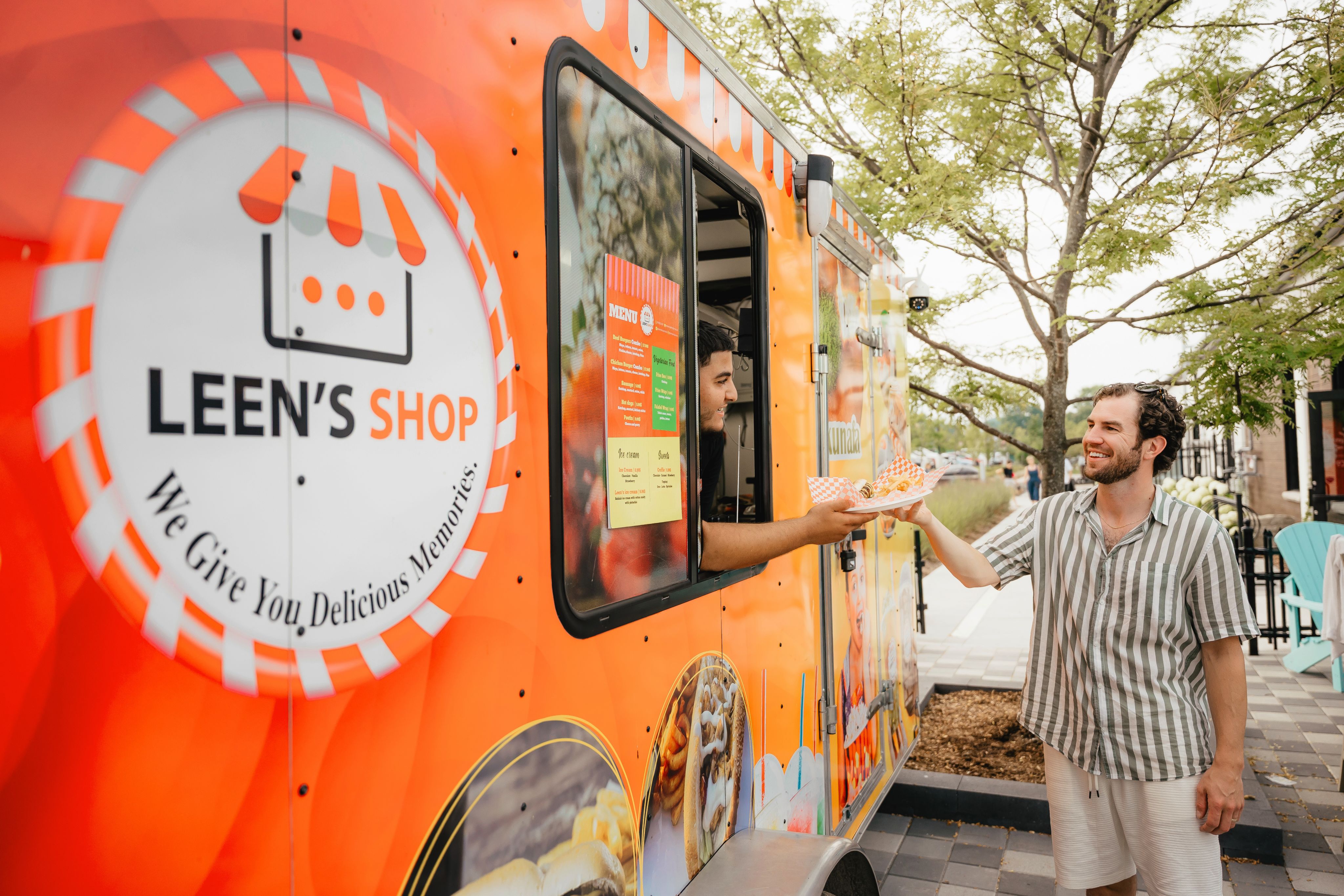
Q: Do you prioritize buying local and/or ethical products?
Less than 14% of respondents said they prioritize price and convenience over who and where they buy from, showing that the vast majority (86%) are actively looking to support local and ethical products.
Click here to see an interactive map of local businesses recommended by respondents.

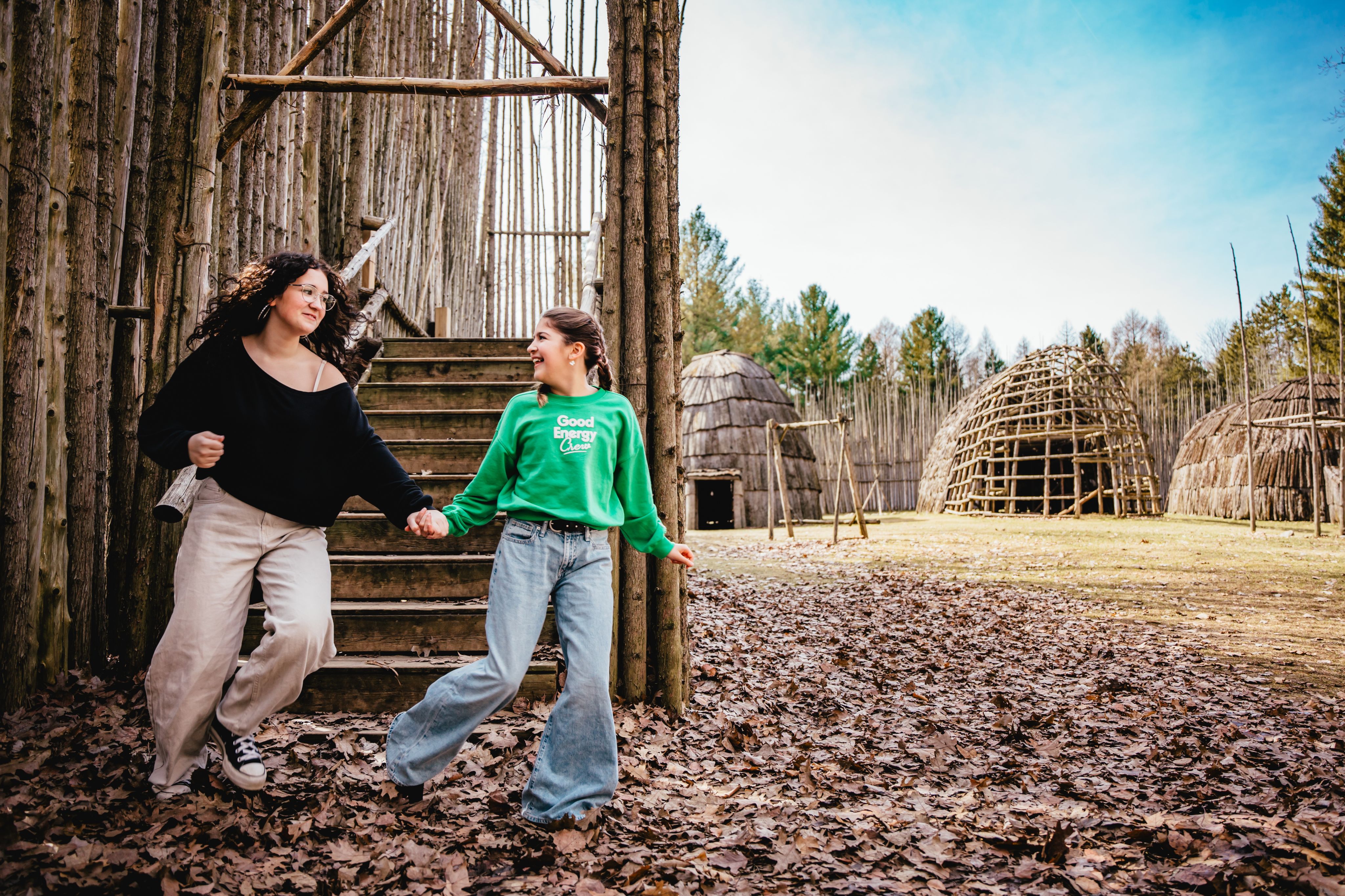
Q: Which types of trips are important to you?
Cultural connection stands out as the strongest driver of travel decision-making, with respondents placing the highest importance on experiencing local heritage, traditions, and community life. Experience-led travel and regenerative approaches follow closely, reflecting a broader desire for trips that feel immersive and responsible.
Inclusive and accessible travel also ranks as an important consideration, reinforcing a growing awareness around how travel is experienced by different audiences. Wellness and nature-based travel, along with off-season travel, also ranked strongly.

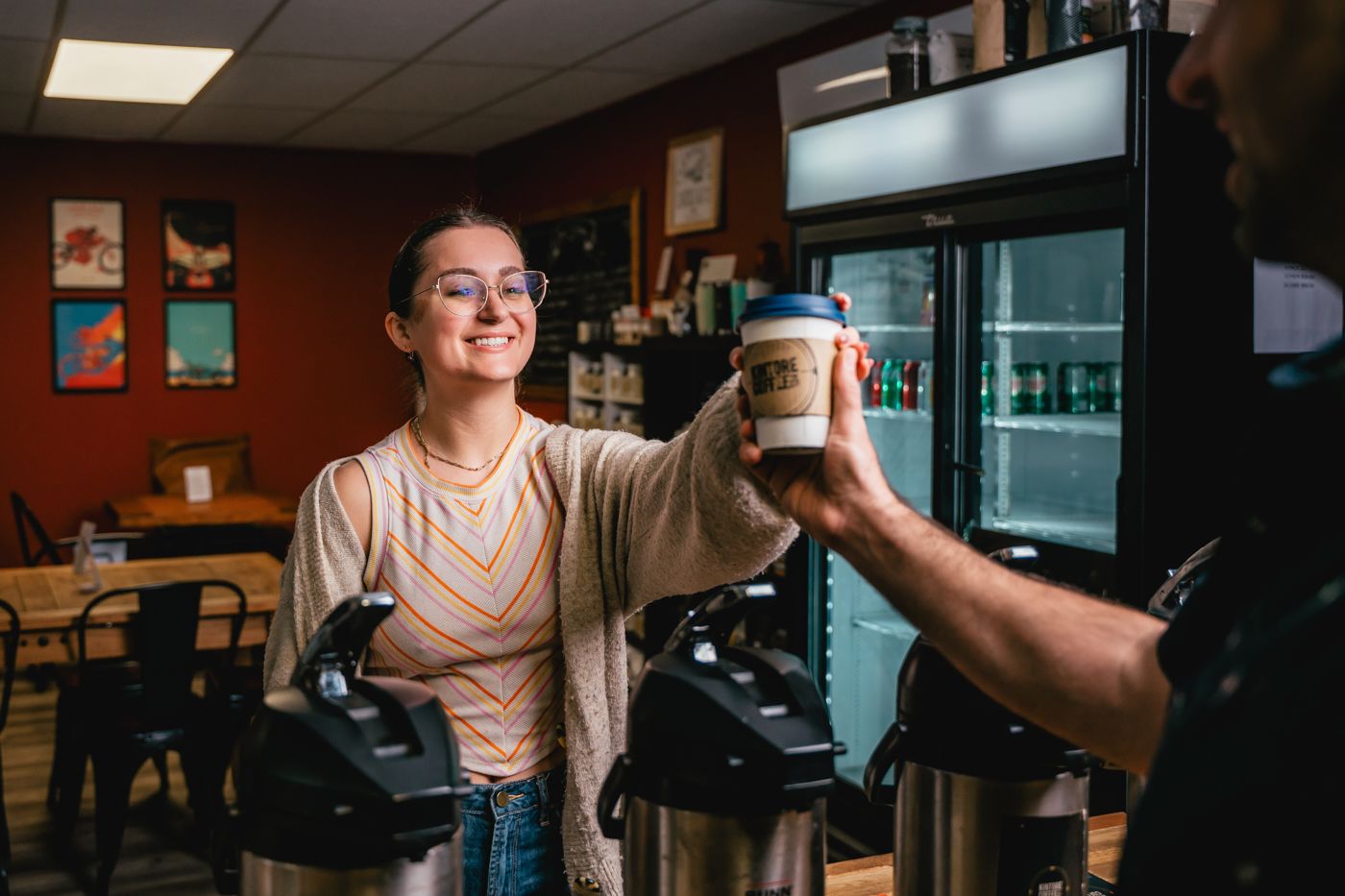
Canada is a strong, beautiful country with kind compassionate people, may we never lose that."
Community Starts At Home
The sense of community isn't a phenomenon when travelling, rather it begins at home.
A majority of respondents feel a strong sense of belonging in their local communities, while others experience that connection intermittently. Only a very small number say they feel disconnected entirely.
This suggests that connection is widely felt, shaping how people engage with community both at home and when they travel.


Memorable Travel Experiences
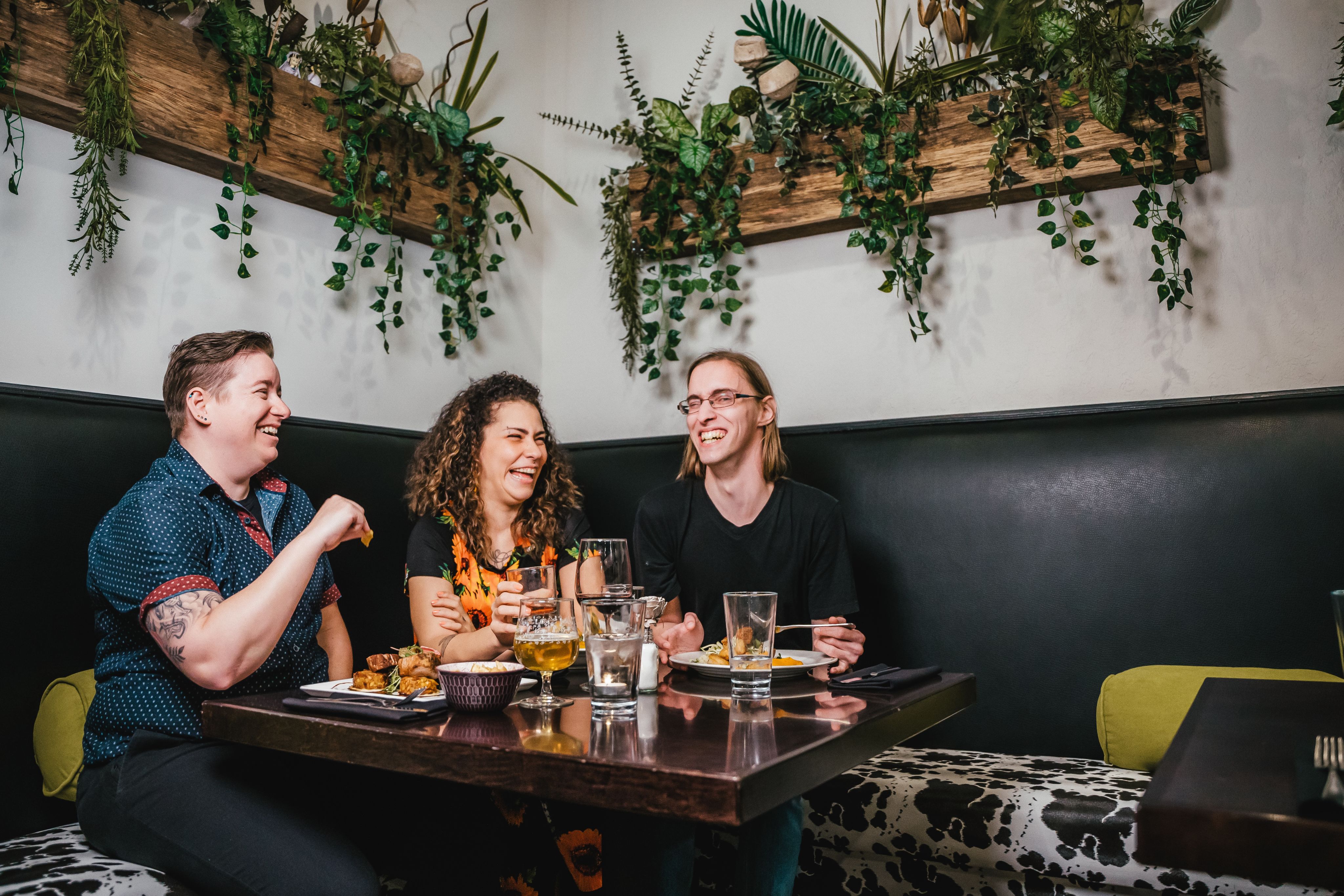
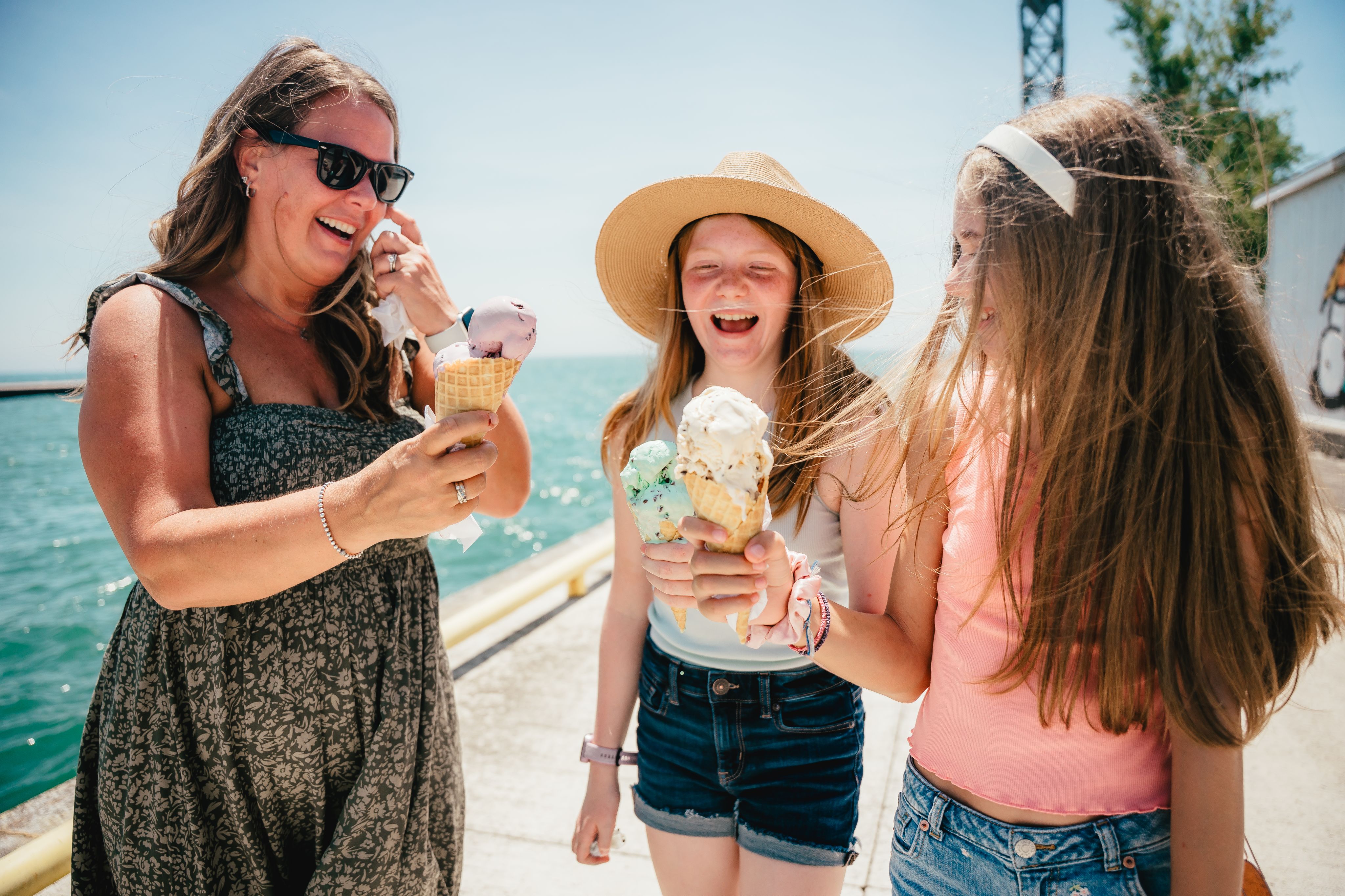
When asked what makes a travel experience memorable, the most common response wasn’t about what people saw or did but about how it made them feel.
Emotional impact stood out above all else, followed by experiences that felt unique or different, and those that created a sense of connection to local people and culture. Learning something new and engaging more interactively also played a role, but to a lesser extent.
This reinforces a broader pattern across the survey: people are not just seeking experiences, but connection. They want something personal, meaningful, and rooted in place.


Shared Responsibility
When asked who should lead efforts related to the economy, community vibrancy, and the preservation of place, respondents didn’t point to a single answer. Instead, they selected across multiple groups, suggesting that responsibility for strong local tourism is shared.



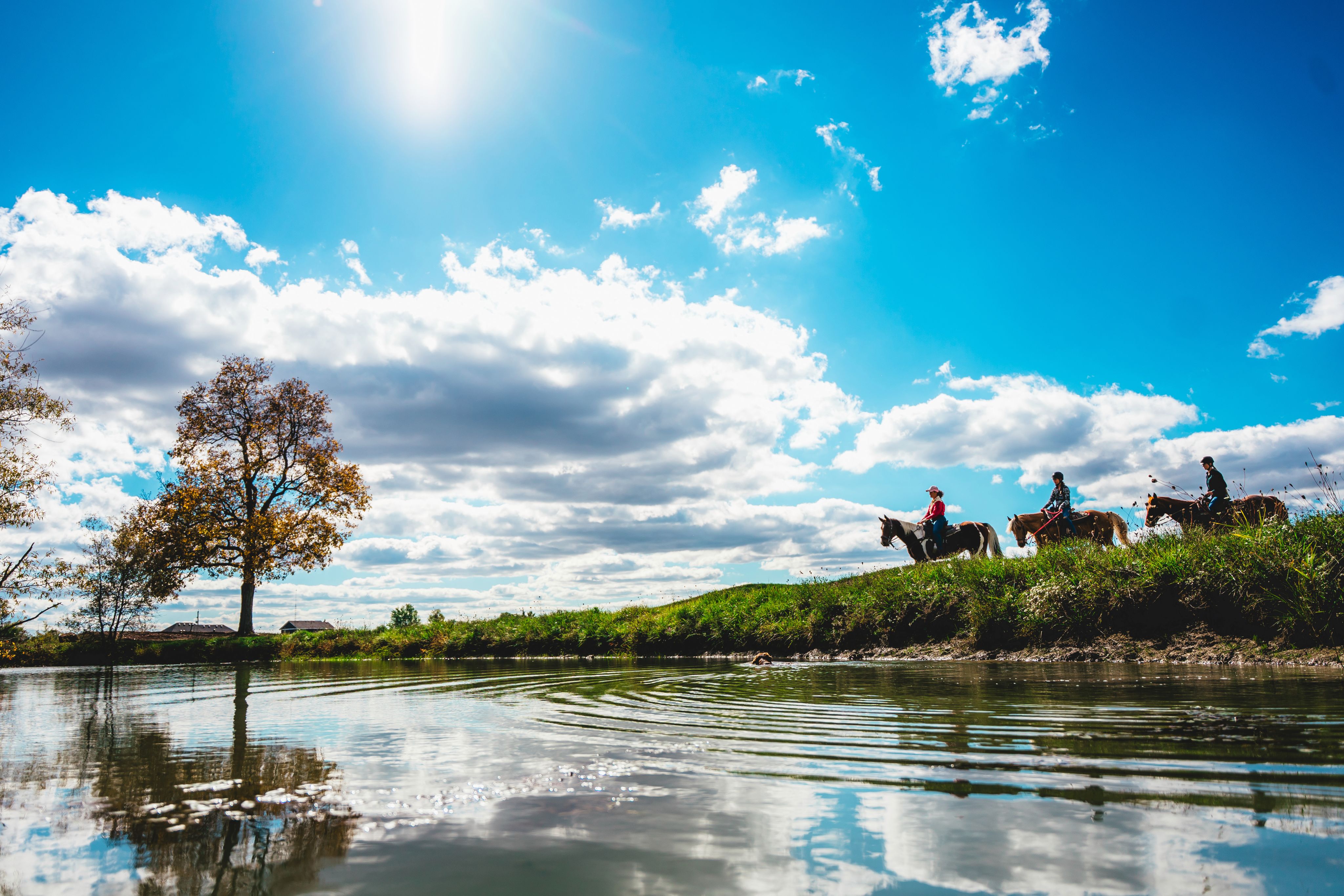
I feel optimistic because people are becoming more focused on mental health, community support, and sustainability.


Prepared For What's Ahead
Optimism amid uncertainty over the next ten years
We asked respondents to look ahead to the next ten years and describe what gives them hope and what causes them stress.
Many of the challenges they identified — economic pressures, geopolitical instability, infrastructure capacity, and environmental changes — are deeply interconnected and reflect a world of uncertainty.
But the story that emerges is one of opportunity and optimism rooted in people: an underlying swelling of national pride, a belief in community and in growing awareness.


Stressors
By far the largest source of stress for respondents is the threats of geopolitical instability and unrest. "Our American neighbours want our land, water, and minerals, and will probably use force to get them," wrote one respondent from Whitby, Ontario.
"The situation is affecting jobs in my little city," said a respondent from Sault Ste. Marie, Ontario. "People are stressed so I do hope that this can be resolved soon."
The affordability crisis also figured high in the minds of respondents, with many worried about the rising cost of living, the lack of affordable rental housing and the inability to retire due to dwindling savings. Under the human condition, the worries are those that many of us face: health, aging, and family issues.
Hopes
Canada featured largely in the hopes that respondents have for the future: as a people, as a place to live, and as a place to travel within.
"Canada has an abundance of clean air and fresh water," said a respondent from Chatham, Ontario. "We live in arguably the best country."
A respondent from Oakville, Ontario, expressed a sentiment many other respondents felt: a sense of national pride.
"As time passes on, more and more Canadians are coming together to support each other. This unity will strengthen Canada's resolve."
The desire to travel, and especially to travel within Canada, was also a clear source of optimism for many respondents.
"As Canadians, I see us travelling more and exploring our own country," said a respondent from Petrolia, Ontario. "Canadians foregoing travel in the U.S. and staying in Canada to explore what we have," said another from Guelph, Ontario.
The belief in the goodness of people and the strength of our youth also featured in people's sense of optimism for the future.
One respondent from London, Ontario, put it this way:
"My belief in the kindness of others. There is so many great people in the world if your mind and heart are open."







How to Build Better Tourism:
The data suggests people are placing real value on community — where they live, how they travel, and who they choose to support. It also raises a broader question: what does it look like to build a tourism model that reflects these values?
To explore this further, we asked respondents where they feel tourism in Ontario could be improved. The responses offer a clearer picture of where expectations are evolving, and where there is opportunity to better align with what people are looking for.
Governance

Responses point to a desire for stronger alignment between tourism and local communities. This includes calls for more government support for local initiatives, increased funding for parks and infrastructure, and policies that make participation more accessible for residents.
Infrastructure concerns included public transportation and roads, washrooms and rest stops, and parking. Refer to our 2025 transportation survey to learn more.
Incentives for locals, concerns around taxation — including the Municipal Accommodation Tax — and the overall distribution of funding all suggest a need for systems that better support both visitors and the communities they are entering.
Now more than ever we need to promote both big and small business in Ontario. These businesses are the life blood of our nation.
Industry
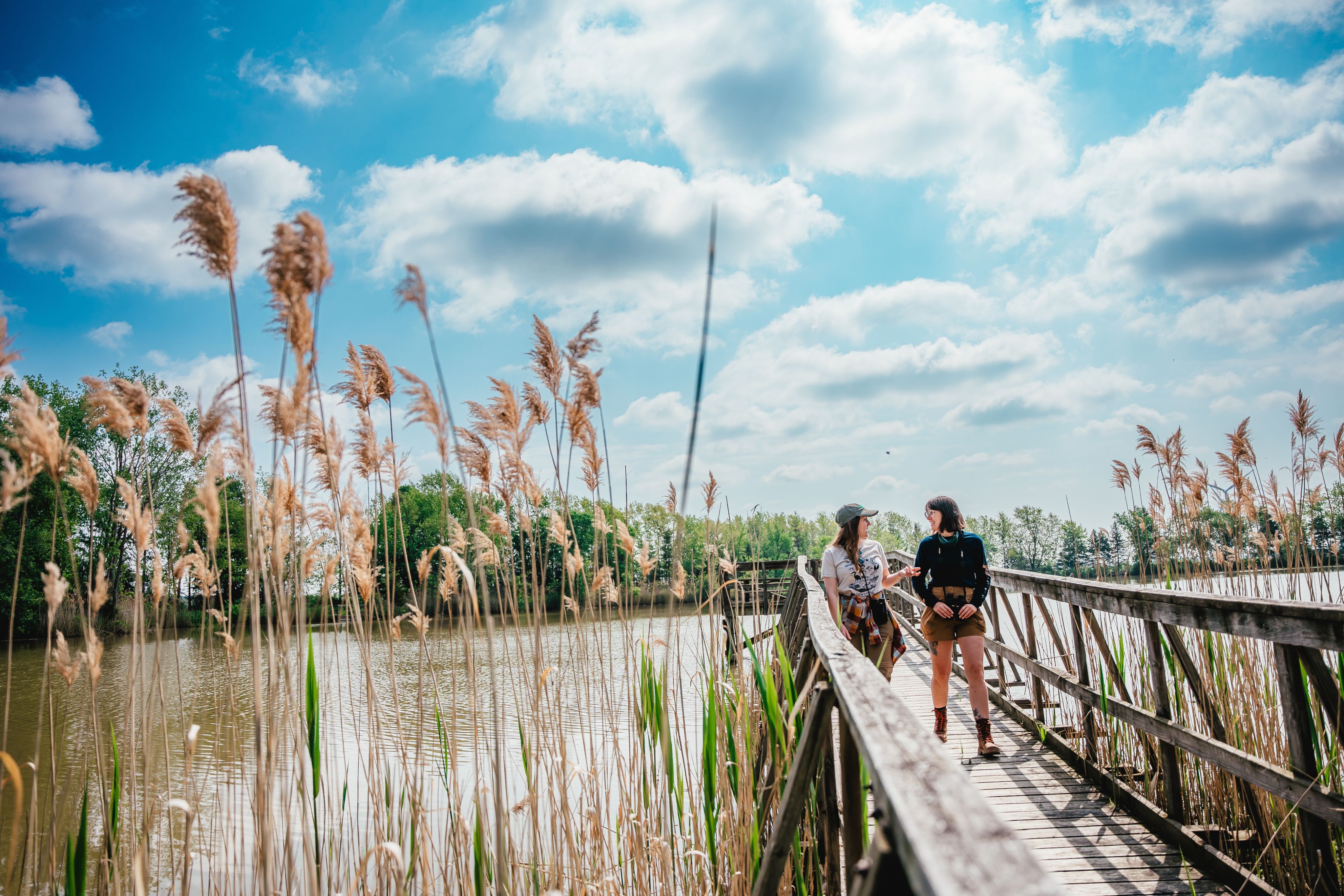
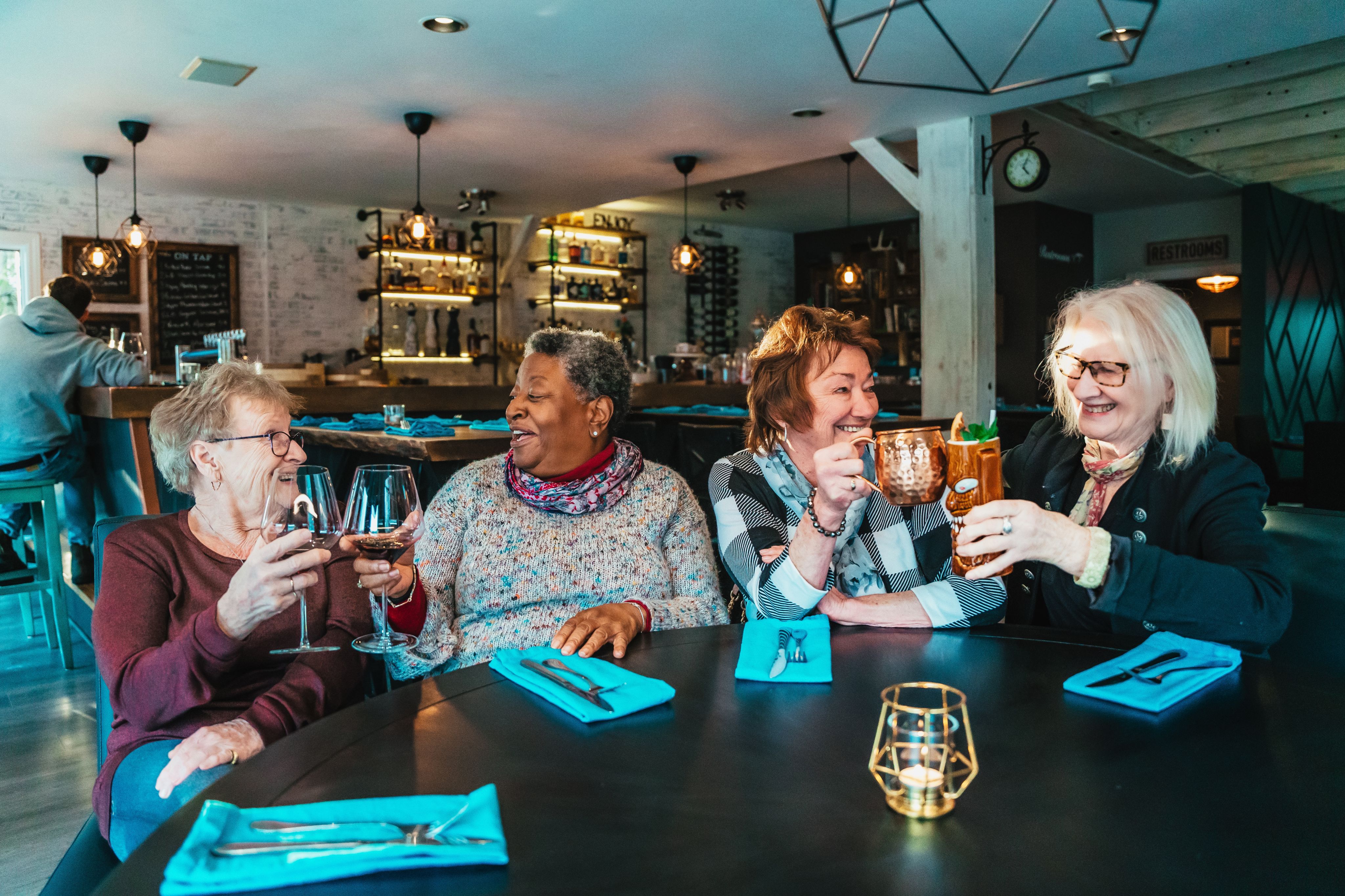
Responses related to industry focus on how tourism experiences are designed, organized, and delivered. There is interest in more cohesive tools — such as regional passes, curated itineraries, and accessible visitor information through maps and tourism offices — that make it easier to navigate and explore.
Respondents also pointed to the need for a broader range of food, beverage, and accommodation options, alongside greater emphasis on education around respecting local communities and natural spaces. This includes limiting overcrowding, and helping visitors understand the need to keep nature areas clean. Together, these suggestions reflect a desire for tourism that is both easier to access and more thoughtfully experienced.
Ontario has a lot of natural beauty and this should be promoted. Possibly a 'conservation passport' that would allow a certain number of entries into different conservation areas across the province.
Products & Themes
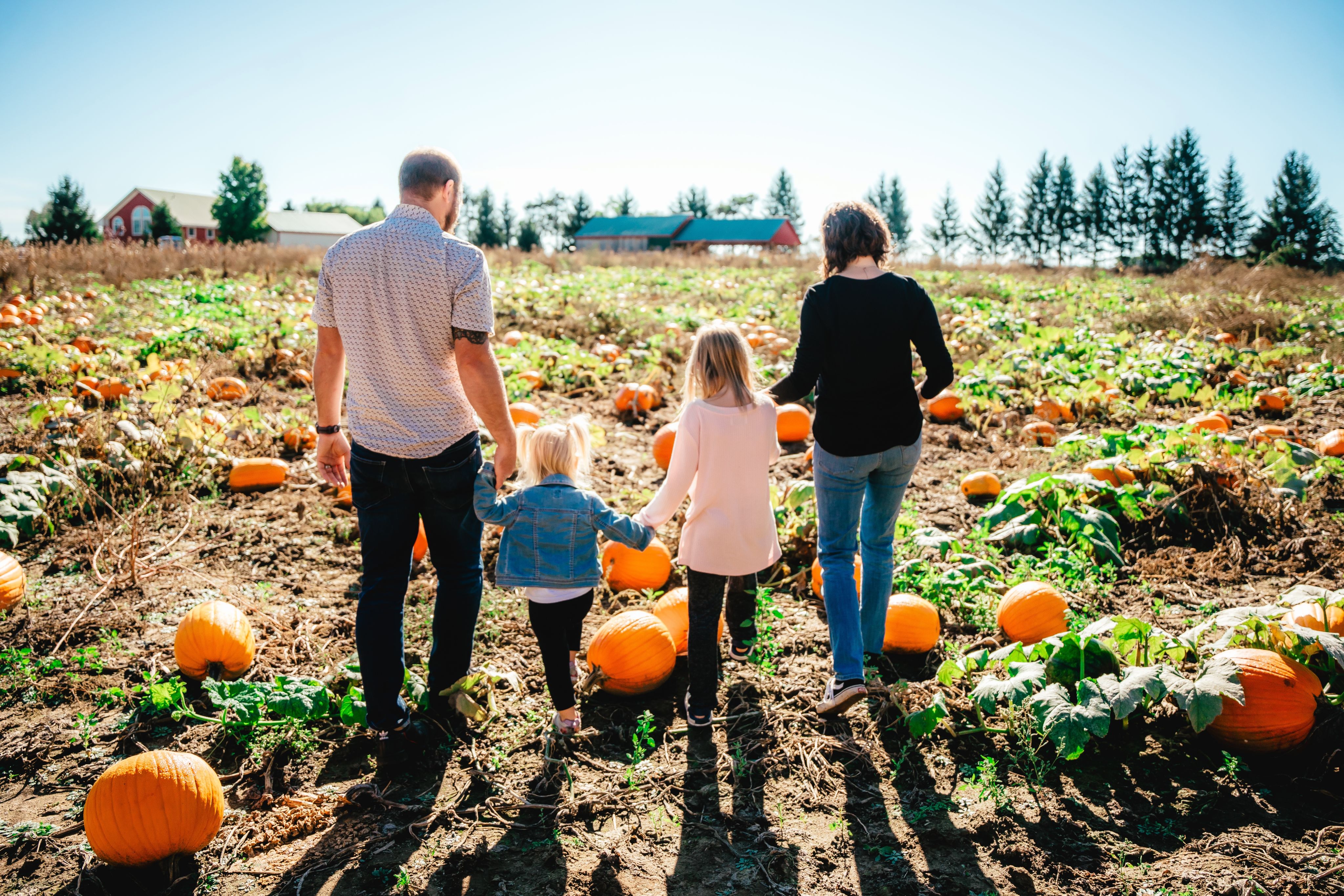
Respondents pointed to a desire for greater diversity and flexibility in how tourism is experienced. Suggestions span a wide range: from all-inclusive and family-friendly options to adventure, cycling, and nature-based experiences, as well as cultural offerings like museums and local heritage.
There is also interest in more dog-friendly and senior-friendly travel, along with expanded year-round and winter programming. Together, these responses reflect a need for tourism that is more inclusive, seasonal, and responsive to different ways of travelling.
Activities for retirees during the week. Lots of activities are on weekends…therefore more crowds.
Place-Based/At Destination
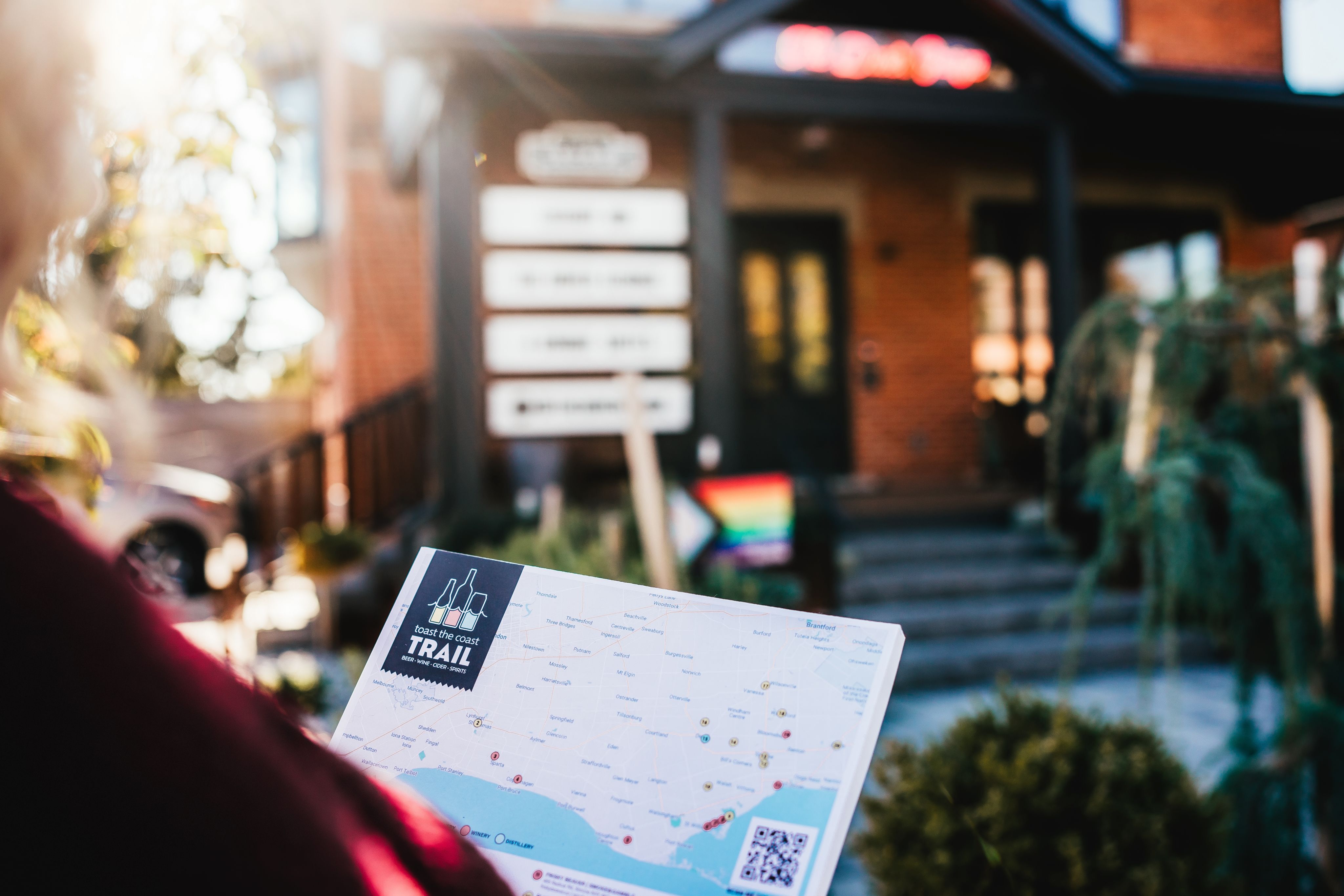
Suggested improvements in on-the-ground experience highlight the importance of how a destination feels once visitors arrive. This includes the role of staff — through training, friendliness, and the ability to create a welcoming atmosphere — as well as broader considerations like walkability, safety, and ease of navigating a place.
Respondents also expressed interest in learning more about the history and context of the destinations they visit, alongside a desire for consistently high-quality experiences. Together, these elements point to the importance of thoughtful, well-supported environments that foster comfort, connection, and a sense of place.
More attention to beautiful architecture and streetscapes, maintaining the character and walkability of small towns, stopping the sprawl and big-box stores.
Limitations

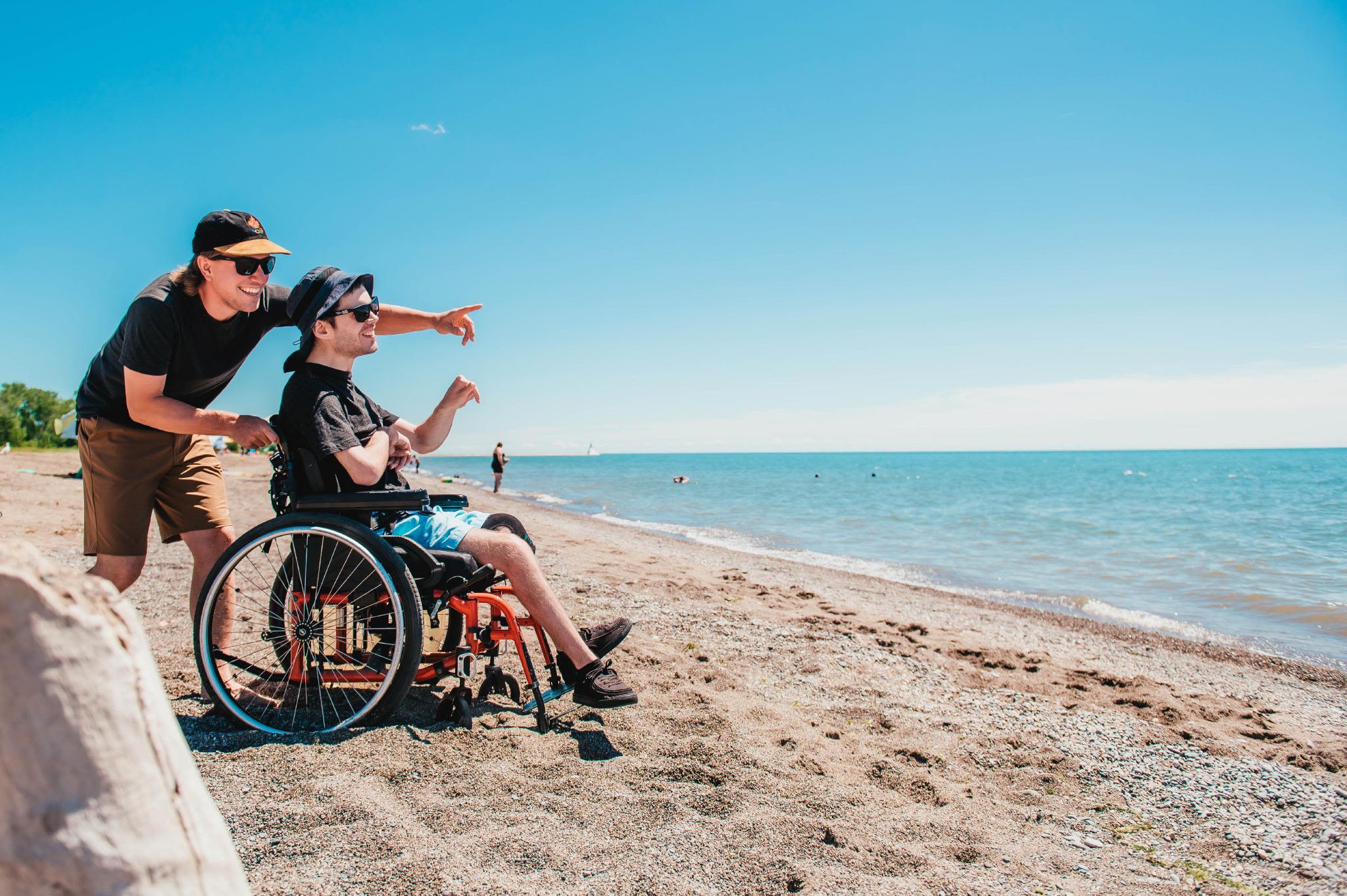
Cost remains a significant barrier, shaping where people can go, how long they stay, and what they are able to experience. Physical accessibility was also identified as an ongoing challenge, with respondents pointing to the need for more inclusive infrastructure and experiences.
Together, these constraints highlight a key tension: while there is a strong desire to support local, connect meaningfully, and travel more thoughtfully, those intentions are often shaped — and at times limited — by what is financially and physically possible.
Lower prices for Canadians to learn and feel the excitement that is offered from the communities.

Key Insights:
1Travel decisions are increasingly shaped by a sense of responsibility, expressed through where people choose to spend and who they choose to support. The vast majority of respondents (86%) said they prioritize buying ethical or local products when shopping.
2 What travellers are seeking is not just experience, but connection to people, cultures, and places that feel real and distinct. The experiences that resonate most are the ones that leave a feeling behind, such as joy, connection, or a moment of reflection.
3 There is a clear and shared value system rooted in care, and pride in Canadian values, but it is being navigated within growing uncertainty.
4Canadians understand that a viable future involves environmental stewardship, as well as investment in infrastructure and people. This will lead to spaces where everyone can participate and feel a sense of belonging and community.
5People are looking for tourism that is more connected, inclusive, and grounded in place but they also see where current systems fall short of supporting that vision.
Map of local businesses
When asked to name a local business that deserves a special mention, nearly all respondents chose to name an independently owned and community-minded business. Below is an interactive map of some of the answers. You can double click on the map to zoom into a specific area and click on each dot for more information.

*The visitor survey is a study conducted semi-annually by Ontario’s Southwest Tourism (OSW) among potential OSW travellers. The survey fielded online, in English, with the sample being sourced by a proprietary database, Visit Oxford County database, and through social media ads on Facebook and Instagram, the ads targeted a 3-hour drive radius in both Canada and US.
The fieldwork took place between January 12 through February 15 of 2026. Total sample size of n=3627
respondents. Sample distribution: Ontario n=3473, rest of Canada n=21, USA n=120, Europe n=3.
For more information about the survey, please reach out to:
Ana Baxter Manager of Research & Strategic Partnerships
Book a discovery call to learn more about how Team OSW can help you achieve your tourism goals or visit our site for more resources, research and industry support.